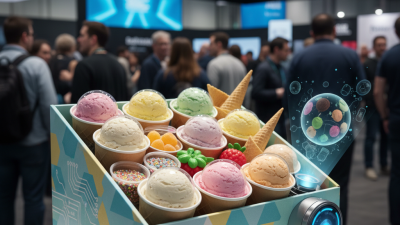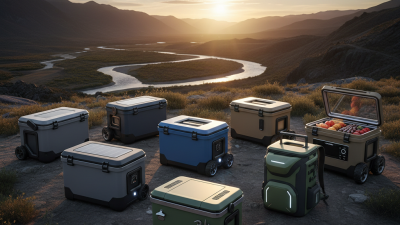
An event dessert should do more than fill a plate. It should create a small, memorable experience. An Ice Cream Party Box can offer that experience through individual servings, colorful toppings, and easy guest interaction. Guests may open a chilled box and find cups, spoons, sauces, sprinkles, and flavor choices ready to use.
The market supports this kind of flexible treat. Grand View Research estimates that the global ice cream market will continue growing through 2030, driven partly by premium products and changing consumer preferences. Its 2024 industry analysis also highlights indulgence, variety, and convenient formats as important purchase factors. These trends matter for event planning. A box can combine familiar vanilla with salted caramel, fruit sorbet, or dairy-free alternatives. That variety helps hosts serve children, adults, and guests with different dietary needs.
Convenience matters, too. Circana’s foodservice research consistently shows that consumers value experiences, customization, and perceived value when choosing food away from home. An Ice Cream Party Box supports these expectations without requiring a full dessert station. Staff can distribute sealed portions quickly, while guests can personalize each serving at their table. The setup also reduces clutter from shared tubs and repeated trips to a buffet.
Still, the format is not automatically perfect. Frozen desserts need reliable temperature control, careful allergen labeling, and packaging that remains stable during transport. A poorly planned box can melt before the first photograph. That is why event organizers should check supplier credentials, storage instructions, portion sizes, and ingredient information before ordering. The best choice balances visual appeal with food safety, guest comfort, and realistic service conditions.
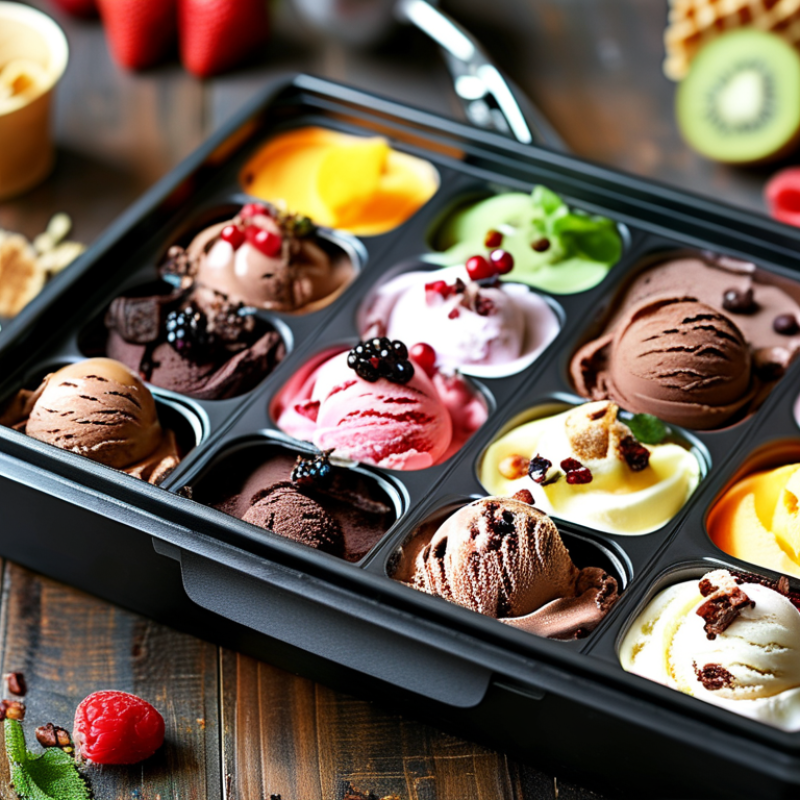
An ice cream party box turns dessert service into a simple, shared experience. According to Grand View Research’s 2024 Ice Cream Market report, the global market reached about 79 billion U.S. dollars in 2023. This scale reflects strong consumer demand for convenient frozen treats. A party box answers that demand with less serving equipment and faster setup. Cold dessert, warm memories.
A useful box should include several ice cream flavors, sealed cups, tasting spoons, napkins, and clear flavor labels. It may also contain cones, sauce packets, sprinkles, chopped nuts, and small serving tongs. Portion planning matters. A practical guide is one standard serving per guest, plus 10% extra for children and second helpings. The exact amount depends on event length and menu size. Overspending is easy here.
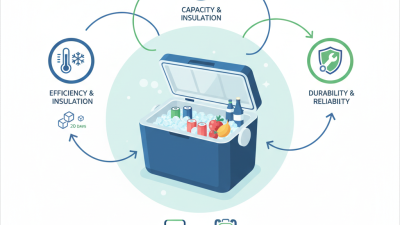
Temperature control deserves professional attention. The FDA Food Code recommends keeping frozen foods at 0°F, or -18°C. Insulated packaging, dry ice, or gel packs can help during transport. Dry ice requires ventilation and careful handling. Labels should identify common allergens, including milk, peanuts, tree nuts, wheat, and soy. The International Dairy Foods Association’s 2024 industry materials also emphasize continued innovation in frozen dairy products and consumer choice. However, variety can create confusion. A short ingredient card is often more useful than ten decorative toppings. A party box is not flawless, but thoughtful contents make service calmer, safer, and more memorable.
Why Choose an Ice Cream Party Box for Your Event?
An ice cream party box turns several planning tasks into one manageable setup. Portion-sized cups, cones, spoons, napkins, and toppings arrive together, reducing last-minute shopping. That matters when an event includes children, older guests, or several serving areas. In practice, a host can place the box beside a shaded table and begin serving quickly. Clear labels also help guests choose flavors and identify common allergens.
A dependable plan still needs checking. Before ordering, confirm the number of guests, serving sizes, freezer space, and delivery timing. This prevents melting, shortages, and unnecessary leftovers. Keep frozen items in suitable cold storage until service begins. Follow the supplier’s handling guidance and local food-safety requirements. Dietary details should be visible, not hidden in a message or assumption.
The box is not a magic solution. If the freezer is full, the convenience becomes another problem. A trial setup can reveal this early. One missing scoop can slow the line. Small oversights happen. Leave spare napkins and a backup serving spoon nearby. For outdoor events, use a stable table, shaded placement, and a simple waste container. These practical details make the service feel organized, even when the host is handling music, guests, and timing at once.
An ice cream party box turns dessert into an easy, interactive part of your event. The best choices begin with your guests, not the prettiest menu. For a children’s gathering, choose familiar flavors such as vanilla, chocolate, and strawberry. For adults, coffee, salted caramel, or fruit sorbets can add variety. Offer at least one dairy-free option. Ask about allergies early.
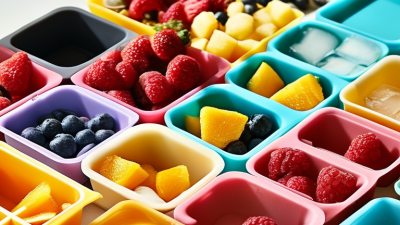
Toppings should provide contrast in flavor, color, and texture. Fresh berries, toasted nuts, cookie pieces, sauces, and coconut give guests room to create. Keep wet toppings in separate, labeled containers so scoops stay clean. Use small spoons for delicate toppings and larger utensils for thicker sauces. I once underestimated how quickly popular toppings disappear. Extra portions matter. A modest backup tray can prevent awkward delays, especially during busy serving periods.
Serving options should match the venue and the guest list. Individual cups reduce spills and work well outdoors. Waffle cones feel festive, but they need a dry storage area. For formal events, pre-portioned cups create a cleaner presentation and steadier portions. For relaxed parties, a self-serve station encourages conversation, but it needs supervision. Keep ice cream cold, and avoid leaving it out for long periods. A simple timing plan helps, although mine was once too optimistic. Build in extra serving time.
Choosing flavors, toppings, and serving options
A party box makes it easy to offer variety while keeping portions consistent. Classic flavors can be paired with optional toppings and served in cups or cones, allowing guests to customize their dessert. The calorie figures are approximate values for standard portions based on generic food entries from USDA FoodData Central; recipes and portion sizes may vary.
Choosing an ice cream party box starts with the guest list, not the decoration. The International Dairy Foods Association reports that Americans consume more than 20 pounds of ice cream and frozen desserts yearly. That habit suggests strong demand, but portions still need planning. For a children’s gathering, allow one small serving per guest, plus 10 percent extra. Adults may prefer two flavors or larger scoops. A 12-person box should not be treated like a 12-person wedding table.
Match the box to the event’s rhythm. Small boxes suit office celebrations, classroom parties, and short afternoon events. Larger assortments work better for weddings, community festivals, or open-house receptions. The USDA MyPlate framework treats one cup as a dairy serving, while party portions are usually smaller. That difference matters when estimating tubs, cups, and toppings. Keep at least one familiar flavor available. Add one adventurous option, but do not let it dominate the order.
I have found that serving format changes the experience. Pre-portioned cups reduce queues and melting, especially outdoors. Scooping stations feel more social, but they need shade, dry ice management, and a clear serving plan.
Weather can ruin a beautiful setup. I once overestimated novelty flavors and underordered simple vanilla. That was avoidable. Review dietary needs, event duration, and freezer access before choosing the box size. Event professionals often recommend contingency planning, yet a 10 percent surplus may still be insufficient during hot weather or extended service.
Why Choose an Ice Cream Party Box for Your Event?
Practical Tips for Serving Ice Cream at Your Event
An ice cream party box keeps serving simple, especially when guests arrive at different times. Choose flavors that suit children and adults, such as vanilla, chocolate, fruit, and one dairy-free option. Small cups reduce mess and help guests try more than one flavor. Include sturdy spoons, napkins, and a waste container nearby. I once underestimated napkin use. That was inconvenient.
Keep the ice cream cold from delivery until the final serving. Place tubs in an insulated container with dry ice or frozen packs, following the supplier’s safety instructions. Do not leave containers in direct sunlight. A shaded table works better than a decorative table near a hot wall. Check the texture every thirty minutes. Soft edges can signal a temperature problem.
Plan portions before the event begins. Most guests need about one or two scoops, but children may prefer smaller servings. Set toppings in separate, covered containers to protect food quality. Label ingredients clearly, including common allergens such as milk, nuts, soy, and wheat. Ask guests about allergies instead of guessing. Use separate utensils for each topping. This small detail matters.
A party box can also support cleaner service. Assign one person to refill cups and monitor melting. Keep extra cups and spoons under the table. I still prefer a simple setup over too many toppings, because long lines develop quickly. A short menu often feels more welcoming.
| Planning Dimension | Practical Guideline | Useful Calculation or Standard | Serving Tip |
|---|---|---|---|
| Estimated Portion Size | Plan approximately ½ cup of ice cream per guest for a standard dessert serving. | 1 US quart equals 4 cups, or about 8 half-cup servings. | Use smaller scoops when offering several toppings or other desserts. |
| Quantity for 10 Guests | Prepare about 5 cups of ice cream for one serving per person. | Approximately 1.25 US quarts, plus a small reserve. | Round up to 1.5 quarts to allow for uneven portions and seconds. |
| Quantity for 25 Guests | Prepare about 12.5 cups of ice cream for one serving per person. | Approximately 3.1 US quarts before adding a reserve. | Plan for about 3.5 to 4 quarts when the dessert is the main attraction. |
| Quantity for 50 Guests | Prepare about 25 cups of ice cream for one serving per person. | Approximately 6.25 US quarts before adding a reserve. | Prepare about 7 to 8 quarts if guests may return for a second serving. |
| Extra Allowance | Add approximately 10% to 15% to the calculated quantity. | Extra portions help cover spills, larger scoops, and unexpected guests. | Increase the allowance for children’s parties or self-serve stations. |
| Freezer Storage Temperature | Keep ice cream at 0°F (-18°C) or colder for frozen storage. | A freezer thermometer provides a more reliable reading than the dial setting. | Chill the storage space before the event and avoid repeatedly opening the door. |
| Transport Method | Use an insulated cooler or thermal container with frozen ice packs. | Keep the containers closed as much as possible during transport. | Pack ice cream in small, sealed containers so only the needed amount is exposed. |
| Serving in Warm Weather | Bring out small batches instead of placing the full supply on the table. | A practical serving cycle is about 15 to 20 minutes per batch in warm conditions. | Replace partially melted containers with chilled ones and return the rest to cold storage. |
| Serving Tools | Provide one scoop per flavor or wash and dry the scoop between flavors. | A 2-ounce scoop produces approximately ¼ cup per serving. | Dip the scoop in warm water, shake off excess water, and scoop smoothly. |
| Flavor Selection | Offer two to four contrasting flavors to suit different preferences. | A balanced selection may include one chocolate, one vanilla-based, and one fruit or dairy-free option. | Label common allergens such as milk, eggs, peanuts, tree nuts, soy, and wheat where applicable. |
| Topping Quantity | Allow about 1 to 2 tablespoons of toppings per guest when several options are available. | For 25 guests, prepare approximately 2 to 4 cups of toppings in total. | Use small serving spoons to reduce waste and keep toppings easy to manage. |
| Serving Station Layout | Arrange bowls or cones first, followed by ice cream, toppings, sauces, and napkins. | A one-way layout helps prevent congestion and keeps the line moving. | Place spoons and waste bins at the end of the station for easier cleanup. |
| Food Safety | Keep ice cream cold and do not return visibly melted product to long-term storage. | Perishable food should not remain in the temperature danger zone for extended periods. | Serve in short intervals and follow local food-safety requirements for the event location. |
| Why Use a Party Box | A prepared party box can combine portions, serving tools, toppings, napkins, and labels. | Pre-packed supplies reduce setup time and make quantity planning easier. | Choose a box with insulated packaging and enough space for cold packs if transport is required. |