Top 10 Ice Box Cooler Storage Solutions for Ultimate Convenience?
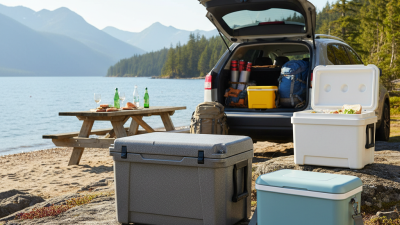
Choosing the right Ice Box Cooler Storage can make your outings more enjoyable. Whether you are camping, picnicking, or enjoying a beach day, having a reliable cooler is essential. An organized ice box ensures that your food and drinks remain fresh.
However, not all coolers are created equal. Some fail to maintain temperature effectively. Others may lack compartments for better organization. Finding the perfect solution involves considering your specific needs. Sizing and portability are also crucial elements to ponder.
This article explores the top 10 ice box cooler storage solutions you need for ultimate convenience. These options promise to enhance your outdoor experiences while addressing common shortcomings. Let’s dive into our list and discover what suits your lifestyle best.
Innovative Features to Look for in Ice Box Coolers
When choosing the right ice box cooler, innovative features are essential. Insulation is key. A thick layer can keep items cold for days. According to data from the National Association of Portable Coolers, high-efficiency coolers can maintain low temperatures over 72 hours. This makes long trips much more manageable.
Look for coolers with built-in drainage options. This simple feature can save users time and hassle. Efficient drainage allows melted ice and water to exit without tipping the cooler. Some coolers even offer wheels for easy transport, perfect for picnics or camping trips.
Consider lightweight materials too. Heavy coolers can be a burden, especially when packed. Certain models use advanced polymer materials. They are not only lightweight but also robust. However, not all manufacturers prioritize durability, leading to mixed user experiences. Always check reviews before purchasing. Features might look good on paper but can fall short in real-world use.
Top 10 Ice Box Cooler Storage Solutions for Ultimate Convenience
| Model |
Capacity (Quarts) |
Insulation Type |
Weight (lbs) |
Special Features |
| Model A |
50 |
Foam |
25 |
Built-in Bottle Opener |
| Model B |
70 |
Polyurethane |
30 |
Wheeled Design |
| Model C |
40 |
Foam |
20 |
Integrated Cutting Board |
| Model D |
60 |
Injection Molding |
28 |
Multiple Cup Holders |
| Model E |
80 |
Polyethylene |
35 |
Retractable Handle |
| Model F |
50 |
Foam |
22 |
UV Resistant |
| Model G |
75 |
Polyurethane |
32 |
Locking Latches |
| Model H |
45 |
Foam |
19 |
Compact Design |
| Model I |
90 |
Injection Molding |
40 |
Insulated Lid |
| Model J |
30 |
Foam |
15 |
Lightweight |
Top Materials for Durability and Insulation
When choosing an ice box cooler, the materials used play a significant role in durability and insulation. High-density polyethylene is popular for its strength and resistance to impacts. It forms a sturdy outer shell that can withstand rough handling during outdoor adventures. The insulation material inside is equally crucial. Expanded polystyrene foam provides excellent thermal resistance, helping keep beverages chilled for longer periods.
Stainless steel is another excellent option, offering both durability and corrosion resistance. It gives a sleek look and withstands various temperatures. This material can sometimes be heavy, posing a challenge for transport. Yet, many appreciate its long-lasting quality. Some coolers even incorporate thick rubber seals, which prevent air exchange. This feature is vital for maintaining internal temperature, but it's essential to inspect these seals regularly.
There’s also a fascinating trend with eco-friendly materials emerging in cooler design. Recycled plastics and biodegradable materials are gaining attention. These options may not be as durable as traditional choices, raising questions about longevity. However, they resonate with environmentally conscious users. Finding the best balance between sustainability and performance can be tricky but rewarding.
Comparative Analysis of Capacity and Portability
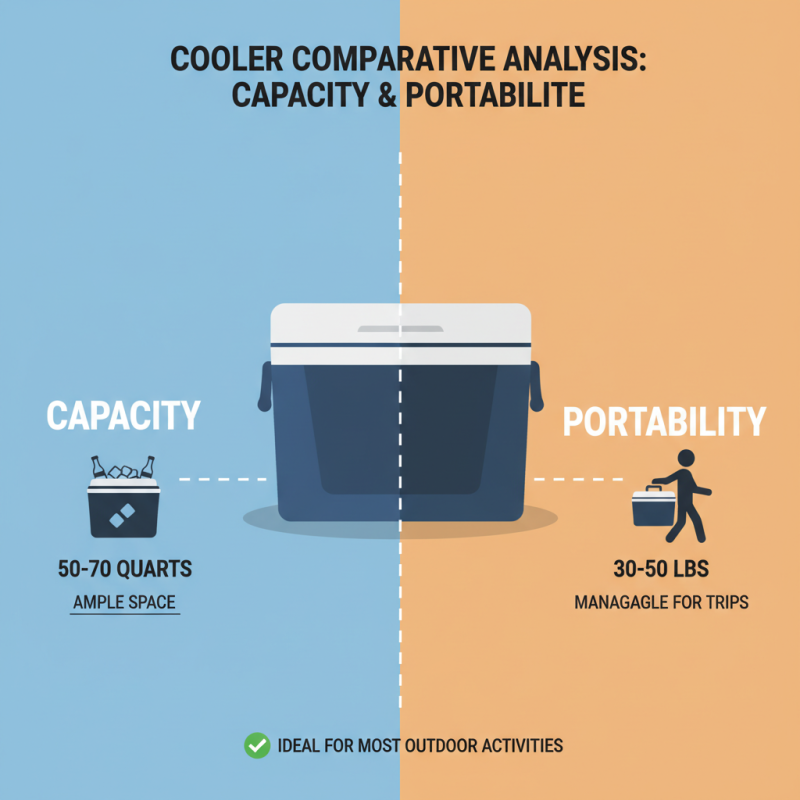
When choosing an ice box cooler, capacity and portability are key factors to consider. A study indicates that coolers with a capacity of 50-70 quarts suit most outdoor activities. They offer ample space for food and drinks while remaining manageable. Models in this range typically weigh between 30 to 50 pounds, making them portable enough for trips.
Think about how often you’ll use the cooler. If it’s for one-day outings, a smaller model could be ideal. However, for longer trips, consider larger options. Many users find their current coolers lack adequate capacity. Research shows that about 30% of consumers wish they had chosen a bigger model. It’s crucial to assess your needs before making a selection.
Tips: Always check the cooler's weight when full. A heavier cooler can be difficult to transport. Also, consider built-in handles or wheels. They enhance mobility and make your experience more enjoyable. Remember, the right cooler balances storage and ease of use.
Best Brands Offering Ice Box Cooler Solutions
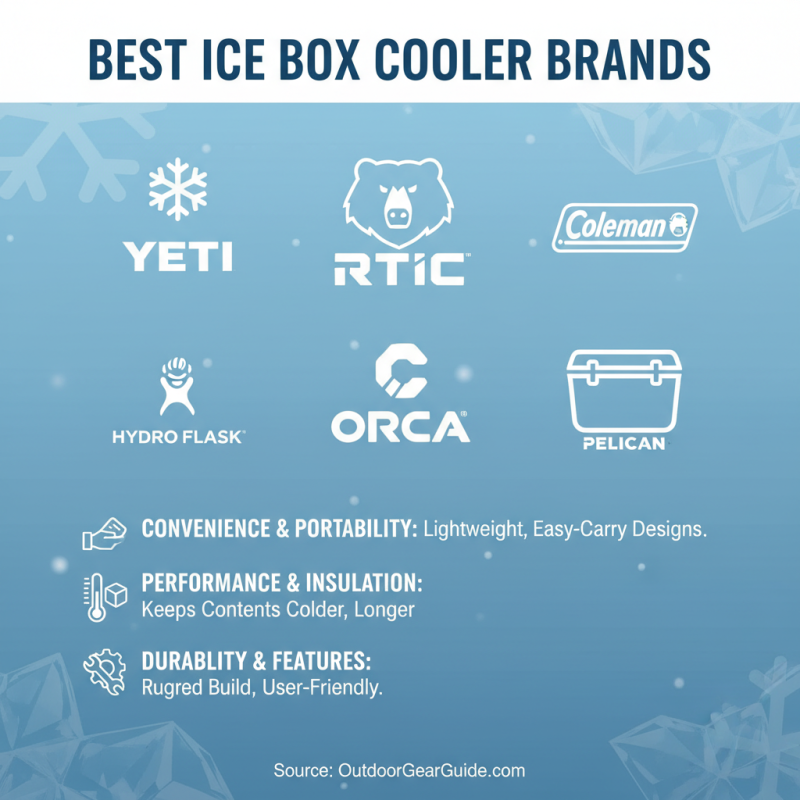
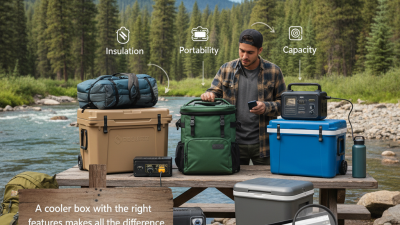
When searching for the best ice box cooler solutions, consider various brands that prioritize convenience and performance. These brands often focus on design and user-friendly features. A well-designed cooler can make all the difference during outdoor activities. Many offer models that are lightweight and easy to carry, which is essential if you plan to travel far.
Tips: Always choose a cooler with thicker insulation. This helps maintain temperature better. It’s also crucial to check the seal quality. A good seal prevents melting ice too quickly.
Moreover, the size of the cooler really matters. A compact model may seem ideal for short trips. But, it might not hold enough supplies for family outings. On the other hand, a larger cooler can be cumbersome to transport. Finding the right balance can be a challenge.
Tips: Analyze your outdoor activities. Will you need a lot of ice? Consider your storage needs. A detachable lid or compartments could enhance efficiency. Look for coolers with additional features like built-in cup holders. It might elevate the convenience during use.
Tips for Maximizing Storage Efficiency in Coolers
When using a cooler, maximizing storage efficiency is key. Start by organizing items based on their size and usage. Place heavier items at the bottom. This promotes stability. Smaller items can fit into the gaps. Use soft-sided bags to hold snacks or drinks, squeezing them into available spaces. These bags bend and adjust easily.
Don’t forget about the importance of temperature management. Pre-chill items to keep cold longer. Ice packs can take up space, but they also help maintain a low temperature. If possible, freeze water bottles. These can serve as blocks of ice and hydration later. Remember, empty spaces collect heat.
Consider layout when packing. Avoid packing like a puzzle; it’s often inefficient. Leaving gaps can be problematic. It’s also easy to overpack. Reevaluate your needs before trips. Ask yourself: do you really need that extra can of soda? Adjustments can lead to better organization and a more enjoyable experience. Think critically and refine your methods over time.
Top 10 Ice Box Cooler Storage Solutions for Ultimate Convenience