China Top Cooler Box With Wheels Suppliers?

Choosing among China’s top cooler box with wheels suppliers takes more than comparing catalog photos. A useful shortlist should consider insulation performance, shell strength, wheel design, handle stability, and production consistency. Small details matter. A loaded cooler crossing uneven pavement can reveal weaknesses that a showroom sample hides.

This introduction examines how buyers can assess suppliers and compare products with practical criteria. Ask about insulation materials, capacity options, drainage plugs, lid seals, and replacement parts. Request product specifications and current test documentation, then confirm that samples match the proposed production model. Clear answers are a good sign. Vague promises are not.

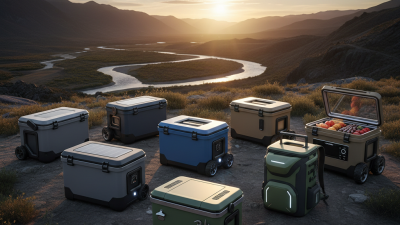
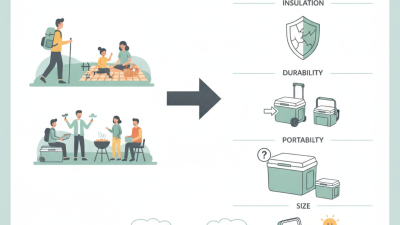
The phrase Cooler Box With wheels covers products built for different uses, from family picnics to outdoor events and commercial transport. Their requirements are not identical. A compact model may suit short trips, while longer outings call for stronger insulation and a larger usable capacity. Still, bigger is not always better; a heavy cooler can be awkward even with wheels.

Supplier rankings can change, and marketing claims do not prove manufacturing quality. Verify factory capabilities, order terms, sample details, and communication before committing. If possible, compare more than one sample under similar conditions. This takes time, admittedly. Yet it can prevent a mismatch between a polished quotation and the cooler that actually arrives.
China Top Cooler Box With Wheels Suppliers?

What Defines a Cooler Box With Wheels?

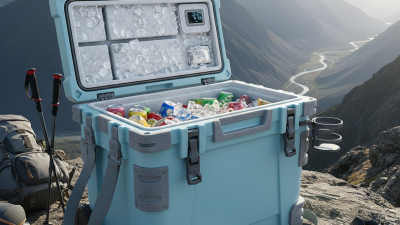
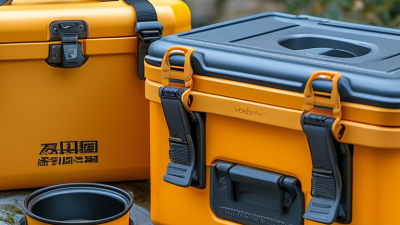
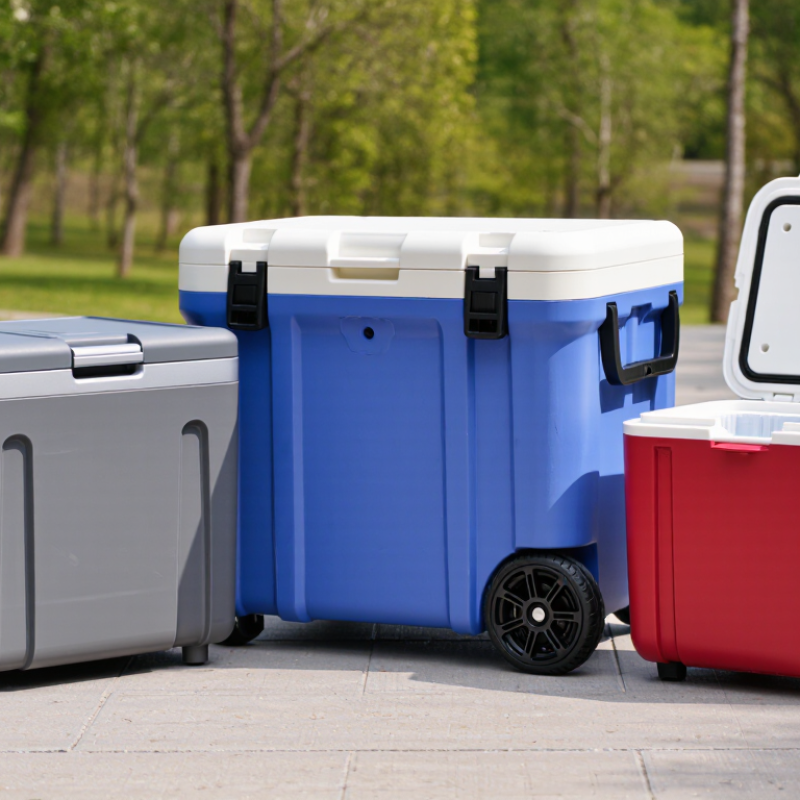
A cooler box with wheels is a portable insulated container designed to keep food and drinks cool while reducing the effort of carrying them. Its defining features include an insulated body, a close-fitting lid, durable wheels, and a handle that stays comfortable when the box is loaded. The wheels should roll steadily over concrete, grass, or packed dirt. Small wheels may struggle on uneven paths.

The cooler’s usefulness depends on more than its appearance. Thick insulation can help maintain a stable interior temperature, while sturdy hinges and secure latches support regular use. Check the empty weight and capacity together; a large box can become difficult to pull when filled with ice and bottles. It happens.

Tips: Test the handle at full extension. Check that the wheels turn freely and do not wobble. Ask how insulation performance is tested, and compare results under similar conditions.

For buyers assessing suppliers, request clear specifications for capacity, materials, wheel size, and handle construction. Product samples can reveal details that a specification sheet misses, such as lid alignment or rough edges. Drainage matters too, especially when melted ice needs to be emptied without tipping the entire box. No single design suits every trip, so consider the terrain and typical load before choosing.

China’s Cooler Box Supplier Landscape

China’s cooler box supplier landscape is shaped by broad plastics, insulation, and metalworking capabilities, rather than one dedicated manufacturing hub. The National Bureau of Statistics reported that manufacturing represented 26.2% of China’s GDP in 2023. That figure shows the scale of the industrial base, but it is not cooler-specific. Buyers still need to assess each factory’s actual tooling, assembly capacity, and quality controls.

Grand View Research estimated the global camping coolers market at about USD 1.02 billion in 2023, with growth expected through 2030. Its market coverage distinguishes hard-sided and soft-sided products, which require different materials and production methods. For wheeled boxes, inspect wheel attachment points, axle alignment, handle extension, and the lid seal. Ask for load and leak-test records, not just product photos. Details matter.

Supplier directories can make nearby factories look equally capable. They are not. Some suppliers mold the body but outsource wheels, hinges, or insulation, adding coordination risk. Request a sample and check it on rough pavement, with a realistic load inside. A small flaw becomes obvious fast. Factory audits and clear specifications help, though neither guarantees every production run will match the sample.

Key Features and Materials to Compare

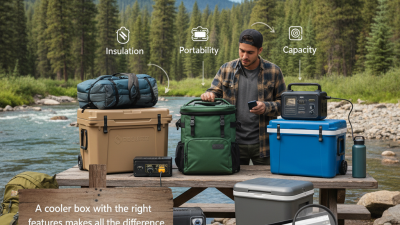
When comparing China’s wheeled cooler-box suppliers, ask for insulation type and measured hold-time, not just claims like “extra cold.” The U.S. Department of Energy’s Energy Saver guide lists polyurethane insulation at roughly R-6.3–7.7 per inch, compared with R-3.8–4.4 for expanded polystyrene. These are building-material benchmarks, not cooler performance ratings. Test details matter. Request the test temperature, ice load, ambient conditions, and duration. A thick wall can still lose cold through a poorly sealed lid.

Compare shell material and moving parts together. Rotomolded polyethylene can handle knocks, while molded polypropylene may reduce weight; actual impact resistance depends on design and formulation. Check lid-gasket contact, hinge reinforcement, drain-plug fit, and whether the wheels are replaceable. Look closely at the axle, too. A loaded cooler crossing gravel stresses small wheels more than a showroom floor does. Ask suppliers for material specifications and a loaded rolling test over uneven ground. One detail is easy to miss: larger wheels help outdoors, but they also add weight and storage bulk. No material choice solves every trade-off.

China Top Cooler Box With Wheels Suppliers? - Key Features and Materials to Compare

Representative cooler constructions for comparing supplier offers; these are general product categories, not supplier-specific specifications or quotations. Actual performance depends on design, insulation thickness, lid seal, loading, and test conditions.

Product Configuration Typical Shell Material Typical Insulation Wheels and Handle Potential Advantages What to Verify with the Supplier
Heavy-duty hard cooler Rotomolded polyethylene, commonly HDPE Foamed polyurethane (PU) Large wheels, a pull handle, and reinforced axle mounts are common options. Rigid construction; suited to frequent outdoor use and heavier loads. Wall and lid construction, loaded rolling test, axle material, handle attachment, lid-gasket fit, and documented insulation test conditions.
Everyday molded cooler Injection-molded polypropylene (PP) or polyethylene Expanded polystyrene (EPS) or PU, depending on the design Often supplied with molded or attached wheels and a telescoping or pull handle. Practical for picnics, shopping, and general transport; offers a range of price and weight options. Insulation type, shell thickness, wheel diameter and material, handle locking mechanism, and maximum-load rating.
Lightweight hard cooler Blow-molded polyethylene PU or EPS, depending on model Compact wheels and a pull handle may be included on larger models. Can reduce carrying and rolling weight compared with a more heavily built hard cooler. Shell uniformity, insulation coverage, lid seal, wheel attachment strength, and performance under the intended load.
Soft-sided wheeled cooler Coated polyester or nylon fabric with a flexible inner liner, often PEVA Flexible foam, commonly EPE Typically uses a fabric frame, wheel base, and extendable handle. Folds or stores more easily than most rigid coolers and is generally suited to lighter loads. Fabric denier and coating, seam construction, liner leak resistance, zipper design, frame stability, and stated load capacity.
Large-capacity wheeled cooler Rigid molded polyethylene or polypropylene PU or EPS foam Check wheel size, axle design, handle grip, and clearance when fully loaded. Designed to move a larger volume of food or drinks; the wheel-and-handle system is especially important. Usable internal volume, empty weight, loaded rolling performance, center of gravity, drainage plug, and packaging dimensions.

How to Evaluate Supplier Quality and Reliability

China Top Cooler Box With Wheels Suppliers?
How to Evaluate Supplier Quality and Reliability

When assessing cooler box suppliers in China, look beyond polished photos and low quotations. Ask for a production sample and inspect the lid seal, handle joints, wheel alignment, and drain plug. Roll it over a rough surface while loaded; wobbling wheels can reveal weak axles. Check whether stated capacity, insulation material, and temperature claims match written specifications. Request recent inspection records and clarify how defects are handled before placing a large order. A confident sales reply is useful, but evidence matters more.

Tips: Compare the same checklist across several suppliers. Ask who performs quality checks, when they occur, and whether you can review dated photos or reports. Confirm packaging details too: a cracked corner after transit still creates a real cost. For reliability, check production lead times, sample-to-bulk consistency, and response speed when you ask a specific question. Note the answers in writing.

A factory visit or independent inspection can add confidence, especially for repeat orders. Still, no single test proves long-term performance. I would track a small trial order first, then compare delivered units with the approved sample. It takes time. I may have overemphasized paperwork; actual handling can reveal things a checklist misses. During testing, record wheel movement, latch fit, and any visible cracks after repeated use.

Steps for Sourcing a Cooler Box Supplier in China

China Top Cooler Box With Wheels Suppliers?

Steps for Sourcing a Cooler Box Supplier in China

Start with a clear product brief. Specify capacity, outer dimensions, insulation type, shell material, wheel size, handle design, and target order quantity. A cooler that looks sturdy in photos may feel unstable when fully loaded. Ask suppliers for recent product photos, factory details, and a written specification sheet. Compare responses carefully; vague answers can signal that requirements were not fully understood.

Request samples from shortlisted suppliers before discussing a large order. Check lid fit, hinge movement, drainage plugs, and whether the wheels roll smoothly over uneven ground. Fill the box with a realistic load and pull it across a rough floor. It is a simple test, but easy to overlook. Confirm sample lead time, production capacity, packaging details, and inspection arrangements in writing. Review the quotation line by line, including tooling, packing, and shipping assumptions.

Tips: Ask for a video showing the cooler under load, not just an empty product spin. Keep one approved sample as a reference during production. Clarify how defects will be recorded and handled before placing an order. Small details matter. Even experienced buyers can miss a dimension or handle clearance, so check the final drawing twice.