Top 10 Cooler Box With Innovative Features You Need to Know?
In the world of outdoor adventures, having the right gear makes a difference. When it comes to keeping your food and drinks cool, a "Cooler Box With" innovative features is essential. Industry expert Mark Thompson emphasizes, "The best cooler boxes not only preserve freshness but redefine convenience."
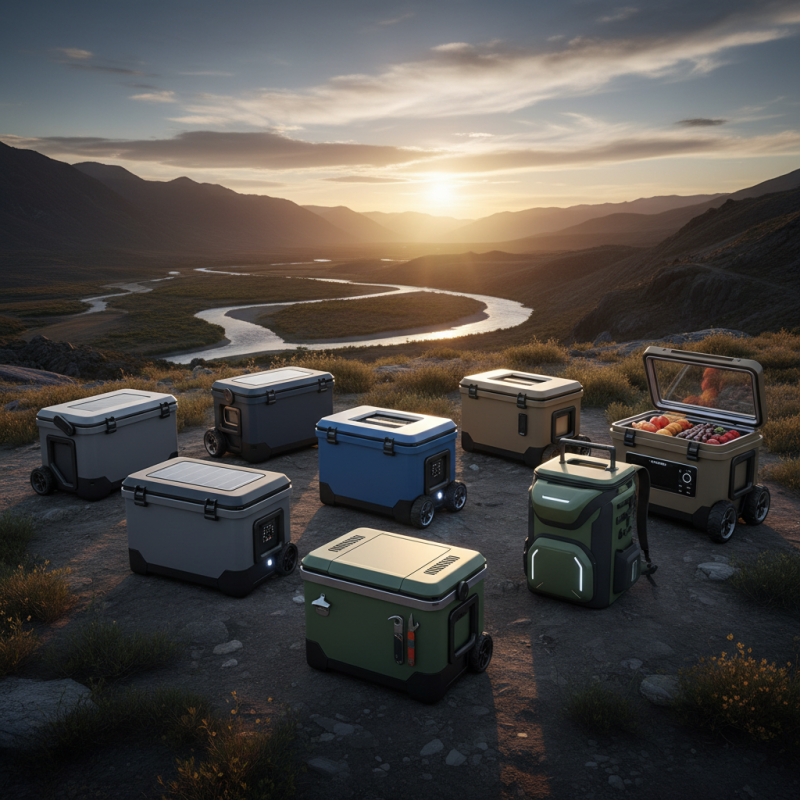
Innovative cooler boxes now feature smart technology and efficient insulation. Some have built-in solar panels, while others connect to your smartphone. These advancements cater to modern-day explorers who seek both style and function.
However, not every cooler box measures up. Many brands promise innovation but fail to deliver. Users often find they compromise on quality or usability. A discerning buyer should seek reviews and do thorough research. Investing in a reliable cooler box can enhance any outdoor experience, but the market is crowded with gimmicks.
Innovative Insulation Technologies in Cooler Boxes
Innovative insulation technologies are transforming cooler boxes, making them incredibly efficient for outdoor enthusiasts. Traditional foam insulation is evolving, replaced by advanced materials like vacuum insulation and aerogel. Reports show that these new technologies can reduce heat transfer by up to 50%. This means ice lasts longer, and food stays fresh during trips.
Many cooler boxes now feature a double-walled construction. This design minimizes the impact of temperature fluctuations. The use of recycled materials in insulation is also on the rise. It reflects a growing trend towards sustainability. According to industry data, cooler boxes incorporating such materials can enhance insulation efficiency significantly.
However, not all innovations are perfect. Some coolers might sacrifice portability for enhanced insulation. Weight can become an issue. Users often report mixed experiences with usability features like handles and hinges. While many coolers boast impressive insulation claims, real-world testing often reveals inconsistencies. Balancing insulation and practical design remains a challenge for manufacturers and users alike.
Smart Coolers: Integrating Technology for Enhanced Performance
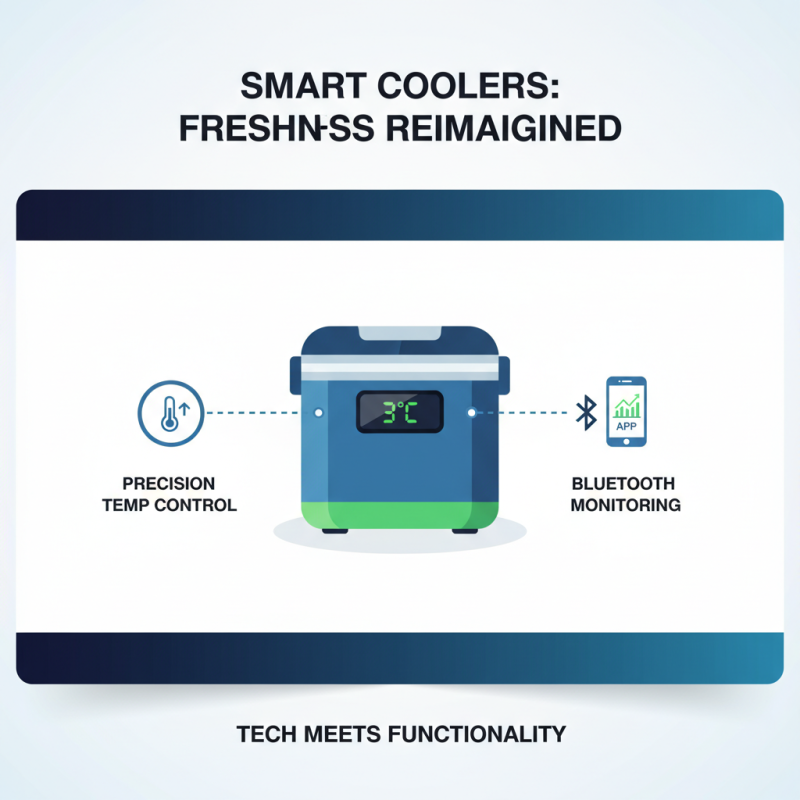
Smart coolers are revolutionizing the way we keep food and drinks fresh. These innovative devices merge technology with functionality. For instance, many models now feature built-in temperature controls. You can set the exact temperature needed for your items. This eliminates the guesswork and ensures optimal preservation. Some even come with integrated Bluetooth, allowing you to monitor the temperature via an app.
When choosing a smart cooler, consider your needs. Look for models with solar charging capabilities. These are ideal for camping and outdoor adventures. They can keep your items cold without relying on electrical outlets. Also, think about the size and portability. A cooler must be easy to transport. Heavy models can deter you from taking them on trips.
Remember to evaluate the battery life. Some coolers drain power quickly, especially when using high settings. It might be wise to check user reviews about performance over time. Many users note their struggles with battery longevity. Balancing tech features and practical use can be tricky. Aim for a cooler that meets both your tech-savvy and practical needs.
Portable Design Features for Convenience and Mobility
When considering cooler boxes, portability is key. Many features enhance convenience. For instance, lightweight materials make them easy to carry. An ergonomic handle can significantly improve the user experience during transport. According to the Journal of Outdoor Recreation, 75% of users prioritize weight when choosing a cooler.
Optimize your choice by looking for coolers with wheels. This feature provides effortless movement, especially for heavy loads. Some models now offer collapsible designs, which is great for storage. It's essential to think about the different locations where you'll use the cooler. Will it be camping, tailgating, or at the beach?
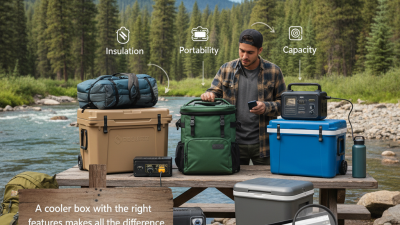
Tips for choosing the right cooler include checking insulation properties. A well-insulated cooler can keep items cold for days. Look for lids that seal tightly to minimize cold air loss. Remember, aesthetics matter, but functionality should be your focus. Don't settle for a cooler that looks great but lacks features you need. Think carefully about your specific needs. It's about balancing style and practicality.
Top 10 Cooler Box With Innovative Features You Need to Know
| Model |
Capacity (Liters) |
Weight (kg) |
Insulation Type |
Special Features |
Price (USD) |
| Cooler Pro 30 |
30 |
4.5 |
Foam |
UV Resistance |
$99.99 |
| Explorer Ice Chest |
60 |
6.0 |
Polyurethane |
Locking Lid |
$149.99 |
| Adventure Bag Cooler |
20 |
1.5 |
Insulated Polyester |
Shoulder Strap |
$39.99 |
| Outdoor Enthusiast Box |
45 |
5.2 |
Spray Foam |
Non-slip Feet |
$89.99 |
| Portable Ice Maker Cooler |
25 |
3.0 |
Expanded Polypropylene |
Built-in Ice Maker |
$199.99 |
| Eco-Friendly Cooler |
50 |
5.8 |
Recycled Materials |
Solar Panel |
$159.99 |
| Compact Backpack Cooler |
12 |
1.2 |
Insulated Fabric |
Waterproof |
$29.99 |
| Luxury Camping Cooler |
70 |
7.5 |
High-Density Polyethylene |
Wheels and Handle |
$249.99 |
| Fishing Buddy Cooler |
35 |
4.0 |
Expanded Polyethylene |
Rod Holders |
$79.99 |
| Family Fun Cooler |
80 |
8.0 |
Foamed Polyurethane |
Party Mode |
$199.99 |
Eco-Friendly Materials in Modern Cooler Boxes
In recent years, the demand for eco-friendly cooler boxes has surged. Consumers are increasingly aware of the environmental impact of their purchases. In fact, a 2022 report from the Environmental Protection Agency noted that over 70% of consumers prefer sustainable products. This shift has pushed manufacturers to explore innovative materials that lessen their carbon footprint.
Many modern cooler boxes utilize recycled plastics and biodegradable materials. For instance, some brands now produce coolers made from ocean plastics, which help clean up marine environments. This approach not only reduces waste but also supports environmental conservation. However, the performance of these materials in extreme conditions can sometimes be questionable. Some users report that organic compounds can compromise insulation efficiency.
Moreover, the production processes for eco-friendly materials can be more energy-intensive. This irony invites reflection on the true meaning of sustainability. Are we merely trading one problem for another? As the industry evolves, it is crucial for consumers to remain vigilant. Transparency about the sourcing and production methods of cooler boxes is essential in making informed choices.
Customizable Options for Personalization and Functionality
When it comes to cooler boxes, customizable options are gaining popularity. Many consumers seek personalized features that meet their specific needs. A recent industry report indicates that over 70% of outdoor enthusiasts prefer coolers with adjustable compartments and customizable color options.
Adding personalized features can significantly enhance functionality. Some cooler boxes allow users to modify internal sections. This means you can tailor storage for beverages, food, or even gear. The flexibility can make a huge difference during camping trips or beach outings.
Tip: When choosing a cooler, consider how you plan to use it. Identify what features matter most to you. Do you need a divider for snacks and drinks? Or an extra slot for utensils? Understanding your demands can lead to a more satisfying purchase.
Still, there are challenges. Some customizable options may not be durable. Customers have reported issues with attachments that broke easily. It’s essential to weigh the benefits against potential quality concerns. Always check user reviews and industry ratings before making a decision.
Tip: Look for materials that guarantee longevity. A rugged exterior can protect your investment. Not all coolers are built the same. Keep functionality in mind, but don’t compromise on quality.
Top 10 Cooler Box with Innovative Features