Best Cooler Box 2L Options for International Buyers?
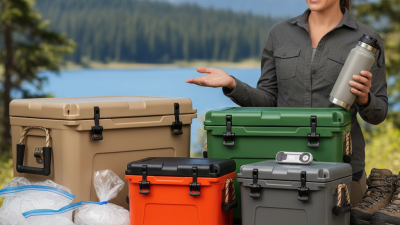
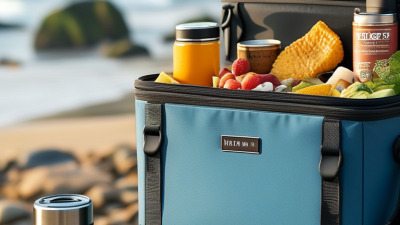
Exploring the best Cooler Box 2L options can feel overwhelming. The market is flooded with choices. However, making an informed decision is crucial for international buyers. A reliable cooler box keeps your drinks and snacks at optimal temperatures during outdoor adventures.
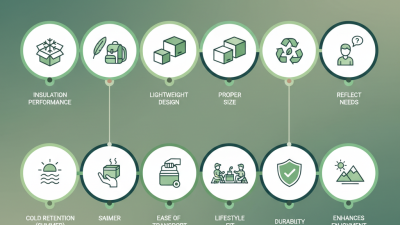
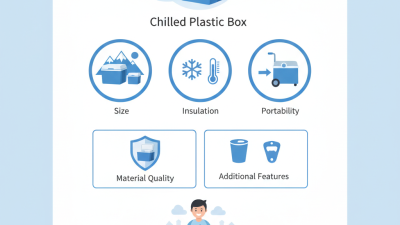
Quality plays a significant role when selecting a Cooler Box 2L. You'll want to consider insulation, material, and portability. A well-insulated cooler ensures your items stay cold longer. Lightweight materials can enhance portability, making it easier to carry during your travels.
Yet, it's essential to reflect on your unique needs. Price and functionality will vary widely among different brands. Some products might not meet expectations, leading to disappointment. Finding a reputable source for reviews can guide you effectively. Finally, remember that even the best Cooler Box 2L may not suit every situation. Balancing quality, price, and needs is a vital step in your purchasing journey.
Best Cooler Box 2L Options: Key Features and Benefits Overview
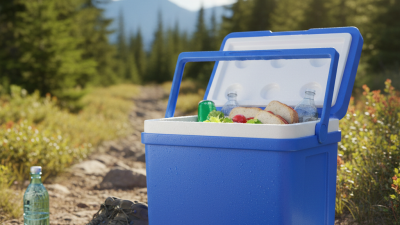
When considering cooler boxes, size matters. A 2-liter option is ideal for short trips or picnics. Industry reports indicate that compact coolers are growing in demand. About 40% of outdoor enthusiasts prefer portable solutions that are easy to carry. A reliable cooler can keep beverages and snacks cold for hours, enhancing outdoor experiences.
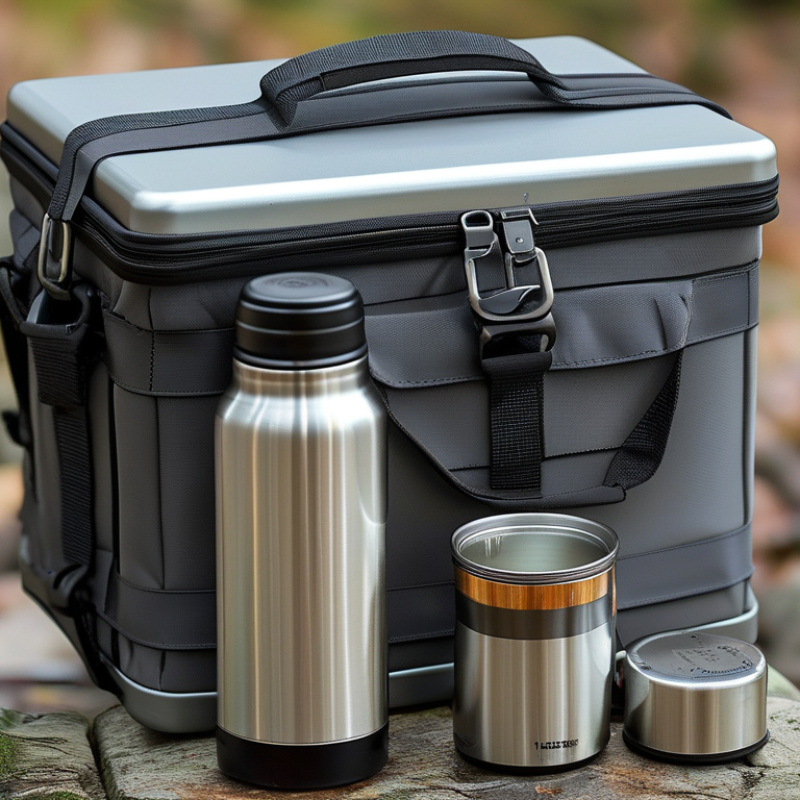
Key features to look for in a 2-liter cooler include insulation quality, lid design, and weight. Advanced insulation technologies can maintain cooler temperatures for extended periods, even in hot weather. Research suggests that models with airtight seals are significantly more effective at preserving coolness. Weight is also vital; a lighter cooler is easier to transport.
However, it's essential to reflect on balance. A smaller cooler may limit your storage options. It's a trade-off between portability and capacity. Not every model performs equally; some may not retain coolness as advertised. Evaluating customer reviews can provide insights into real-world performance. Ensure you choose a cooler that meets your specific needs and preferences.
Comparative Analysis of Top 2L Cooler Boxes: Performance Metrics
When evaluating 2L cooler boxes for international buyers, performance metrics become crucial. These metrics include insulation efficiency, build quality, weight, and ease of transport. A robust cooler should maintain its temperature for an extended period, making it suitable for picnics, camping, and other outdoor activities. A common observation is that many coolers fail to keep ice for more than a day, which leads to unmet expectations.
Durability plays a significant role too. Many coolers are constructed from plastics that can crack under pressure or extreme temperatures. The weight of the cooler impacts portability, especially for travelers. Heavier models might not be ideal for hiking trips. Yet, lighter models may compromise on insulation. Buyers should weigh these concerns carefully.
User feedback often highlights these trade-offs. Some coolers do well in temperature retention but may not be as rugged. Others are durable but can be cumbersome on long journeys. It's essential to reflect on how each cooler fits into personal travel needs. Prioritizing essential features is a key takeaway for prospective buyers.
Material Durability and Insulation Efficiency in Cooler Boxes
When choosing a 2L cooler box, material durability is essential. These coolers often use materials like polyethylene or insulated foam. Each material has its own pros and cons. For instance, polyethylene is tough, but can sometimes dent or scratch easily. Insulated foam, while effective at keeping temperatures low, may not withstand heavy impacts. Therefore, assessing your usage habits is important. Regularly inspect your cooler for wear and tear.
Insulation efficiency plays a key role in performance. A well-insulated cooler maintains its temperature longer, which is ideal for outdoor activities. Some coolers come with multi-layer insulation for added effectiveness. However, not all coolers are created equal. You might find some don’t retain cold as promised. Understanding the insulation thickness and type can guide your decision.
Remember that price often reflects material quality and insulation levels. A cheap cooler may save money upfront but could lead to disappointment later. Look for reviews that discuss long-term performance. It’s worth investing in a cooler that suits your needs and lasts longer. Prioritize durability and insulation when selecting your cooler, and you'll enhance your outdoor experiences.
Best Cooler Box 2L Options for International Buyers
| Model |
Material |
Durability (Years) |
Insulation Efficiency (hours) |
Weight (kg) |
Price (USD) |
| Cooler Box A |
Polyethylene |
5 |
24 |
1.5 |
30 |
| Cooler Box B |
Stainless Steel |
10 |
36 |
2.2 |
50 |
| Cooler Box C |
Foam |
3 |
12 |
1.0 |
20 |
| Cooler Box D |
HDPE |
7 |
30 |
1.8 |
35 |
| Cooler Box E |
Aluminum |
8 |
28 |
2.0 |
45 |
International Shipping Considerations for 2L Cooler Boxes
When considering international shipping for 2L cooler boxes, several factors come into play. The global cooler market has been estimated to reach $12 billion by 2025, reflecting a growing demand for reliable cooling solutions. However, shipping costs can significantly impact pricing. International buyers should anticipate varying shipping fees based on distance, weight, and destination regulations.
Customs and import duties also matter. Different countries impose different tariffs on cooler boxes, which can increase overall costs. For instance, some regions may charge up to 20% on imported goods. This can lead to unexpected expenses for buyers, who may underestimate the total investment needed.
It's crucial for buyers to research local regulations. Certain materials used in cooler boxes might face restrictions. For example, coolers with flame-retardant chemicals may be banned in some regions. Ensuring compliance not only avoids legal issues but can also foster trust with customers.
Ultimately, understanding these shipping considerations is vital for anyone venturing into international sales of cooler boxes.
Price Range and Cost-Effectiveness of Popular 2L Cooler Brands
When considering 2L cooler options, cost-effectiveness is a key factor for international buyers. Market analysis shows that a well-chosen cooler can enhance outdoor experiences without breaking the bank. According to industry data, popular cooler brands often fall within a price range of $15 to $50. This range allows buyers to find a balance between quality and affordability.
Features such as insulation efficiency and portability can significantly impact value. For example, coolers with better insulation can keep contents cold for longer periods, minimizing the need for frequent ice replenishment. Research indicates that the right cooler can save users up to $30 annually on ice. However, buyers may face challenges in determining which features genuinely enhance value. Some coolers may overpromise and underdeliver, leading to dissatisfaction.
In a global market, the availability of various brands adds to the complexity. It is crucial to evaluate local shipping costs, which can affect overall pricing. Buyers should also consider warranty and customer service responsiveness. Inconsistent quality across brands may lead to unexpected issues, requiring further reflection on choices made during the purchasing process.
Best Cooler Box 2L Options for International Buyers